
 01980 677 000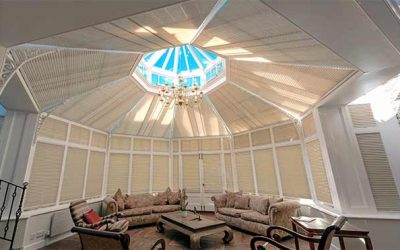
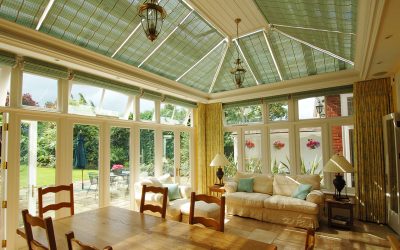
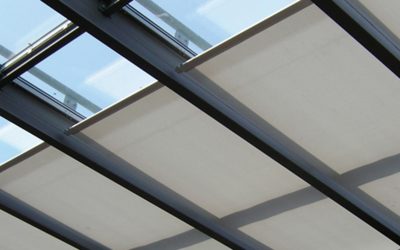
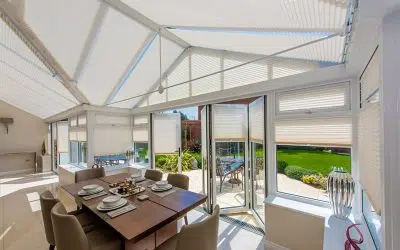
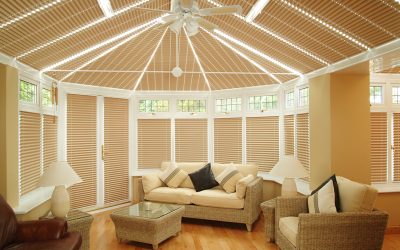
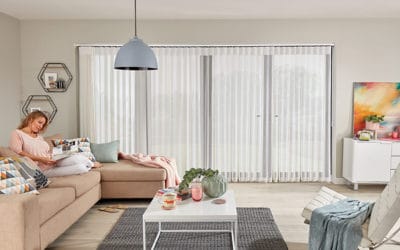
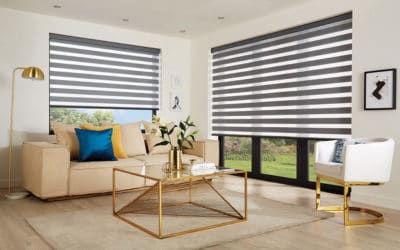
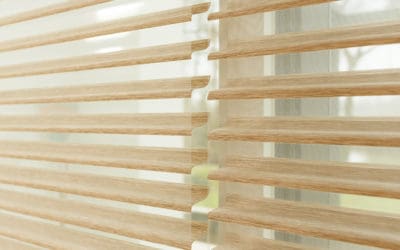


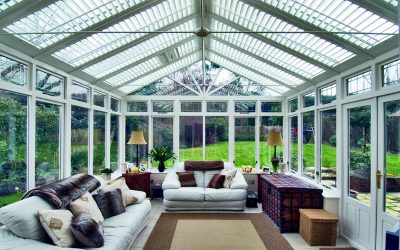
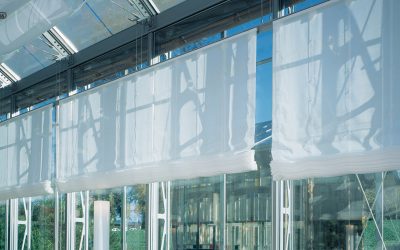
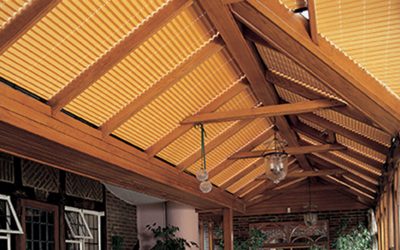



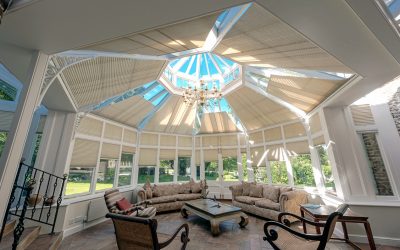


Roof Lantern Blinds Duette Honeycombe Fabric: Tensioned v’s Belt Driven Blinds
With So Much Choice Available For Roof Lantern Blinds Understanding the Differences Between Tensioned v’s Belt Dirven Blinds and Choosing the Right Solution Is Essential Before You Buy. Especially now that you can potentially fit these blinds yourself as a DIY option.
Roof lantern blinds are an essential addition to any home, providing light control, privacy, and aesthetic appeal. When selecting the right blinds for your roof lantern, you will encounter two primary types: tensioned blinds and belt-driven blinds. Understanding the differences between these options can help you make an informed decision that best suits your needs.
Tensioned Roof Lantern Blinds
Mechanism
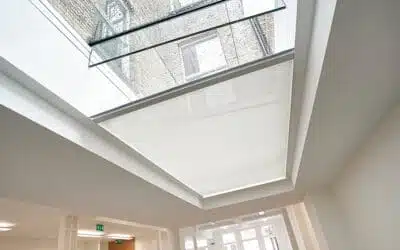
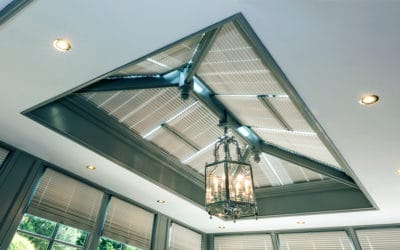
Tensioned roof lantern blinds use a system of wires or cords, concealed within the headrail and side channels, to keep the fabric stretched across the lantern window. This mechanism ensures that the blind remains flat and smooth, providing clean lines and a neat appearance. The tension adjustment is facilitated by spring mechanisms and can be readily modified and maintained through manual adjustments.
Advantages
- Clean Aesthetics: Tensioned blinds offer a sleek and minimalist look, ideal for roof lanterns where you do not want to see unsightly wires and cords obscuring the view of your lantern.
- Improved Light Control: The taut fabric ensures effective light blocking and better insulation.
- Certified Parts: All components are EU or UK certified and assembled at our Kent facility.
- Easy Maintenance: Fewer moving parts make tensioned blinds easier to maintain and clean.
- Versatility: Suitable for various roof lantern shapes and sizes, providing flexibility in installation.
- Unlimited Fabric Choices: Duette Honeycombe Dim Out or Blackout Fabric when you choose our premium service.
- Fabric Choices Self Fit: A range of dim out and black out fabrics that offer efficiency in reducing excess heat from the sun and providing insulation during frosty winter months.
Disadvantages
- Restrictive Size: The soft, pliable nature of the duette honeycombe fabric means that sizes bigger than 1.5m x 3m as a single blind and 1.5m x 6m as a meet in the middle dual blind.
- Use a centre support wire for blinds larger than 1.5m x 6m.
Belt Driven Roof Lantern Blinds
Mechanism
Belt-driven blinds use a motorised belt system to move the fabric across the window, similar to a curtain track system. The belts are fitted within a frame within the side channels. The motor headrail is mounted inside the frame and is tensioned with a spring mechanism. A bulky blind that needs professional installation for a precise fit and clean finish. Not recommend as a self-installation option.
Advantages
- Clean Aesthetics: Belted systems offer the same clean aesthetics as the tensioned system.
- Ease of Use: If installed by an expert blinds installer, this blind will function in the same way as a tensioned pleated blind.
- Fabric Selection: A reputable blinds installer will provide a range of fabrics that effectively block light and insulate.
- Versatility: Suitable for various roof lantern sizes and shapes.
Disadvantages
- Made in China: The component parts are manufactured in China from unbranded and uncertified sources; and then fabricated in the UK. The quality of the component parts is inferior to those used in the tensioned systems.
- Maintenance: The belt system will require regular maintenance and repairs/ intervention, especially the larger blinds over 1.5m x 3m or 1.5m x 6.0m as the belts will need accurate tensioning at manufacture and installation to ensure that the fabric does not flex and sag.
- Installation Requirements: Professional installation is often necessary, adding to the overall cost.
- Not recommended as a wire free option over 1.5m x 6.0m as the soft, pliable nature of the duette honeycombe fabric means that it will require additional tensioning wires. **
- Not recommended for self-fitting: The belt system may be cumbersome to install and unreliable over a long period of use, which could necessitate a potential reconstruction of the blind after purchase.
** Note: Belt Driven Blinds may have tensioning wires installed through the honeycomb fabric to give wire free solutions to blinds over 1.5m x 6.0m. However, these will fail over the lifetime of the blind and will need extensive repair and refurbishment to ensure reliable, continual use.
Comparative Analysis Roof Lantern Blinds – Tensioned v’s Belt Driven
Application and Suitability
We are innovators and specialists when it comes to conservatory blinds and lantern blind technology so understand the differences between what the best is the market has to offer you.
When choosing between tensioned and belt-driven roof lantern blinds, consider the specific application and suitability for your home. Tensioned blinds with wire free technology are ideal for smaller roof lantern blinds up to 1.5m wide x 6.0m long. Belt-driven blinds look similar but have the drawbacks mentioned above.
We would always advise that when considering blinds for larger roof lanterns that you either consider a TESS 660 zip blind if you are seeking a wire free aesthetic or if your budget does not allow for TESS 660 zip blind look at the ClearVue blind over 1.5m x 6.0m, which has a very discreet cord at the centre of the blind. This will give you so much more functionality and reliability for the blind as the centre cord supports the soft fabric, ensuring that there is no sagging or jumping from the tensioned wires.
Cost Considerations
Lowest price does not always mean best choice. Consider what you are being offered and whether it will be fit for purpose for the longer-term wear and tear the blind is expected to deliver. We believe that we offer the best quality blinds for the best prices. All our blinds are inclusive of Somfy motors and controls. Other companies may have compromised the quality of the blind with cheap Chinese components, motors, and controls. Assess your budget to determine which option aligns with your financial capacity but the message is always, ‘Buyer Beware!.’
Installation and Maintenance
Both types of blinds require professional installation to ensure optimal performance. However, tensioned blinds are a better solution for someone competent in DIY to self-fit. Tensioned blinds are easier to maintain due to their simpler mechanisms, whereas belt-driven blinds may demand more detailed upkeep. Consider your willingness to invest in maintenance when making your choice.
Conclusion
The choice between tensioned and belt-driven roof lantern blinds depends on your needs, preferences, and budget. Each option has its unique advantages and disadvantages, offering distinct benefits in terms of aesthetics, functionality, and ease of use. By carefully evaluating these factors, you can select the perfect roof lantern blinds that enhance the beauty and comfort of your home.
Personally, with years of experience of specialist blinds applications such as roof lantern blinds, we would recommend you consult with an expert company such as Oakhurst. Read our Blog: Why You Need To Buy Roof Lantern Blinds From A Specialist.
Self-fit blinds over 1.5m wide x 3m wide require experienced and knowledgeable fitters to install the blinds to ensure a perfect fit and finish and to ensure you enjoy your blinds in the long term. Belt driven honeycombe fabric systems over 1.5m wide x 3.0m long have not been extensively tested for durability and wear and tear. Although more expensive, the TESS 660 zip roller system with it’s superior engineering is guaranteed to provide you with a robust blind that will ensure no sagging and rippling over years of use.
To See Our Coverage Go To Areas We Cover (Including Berkshire)

